
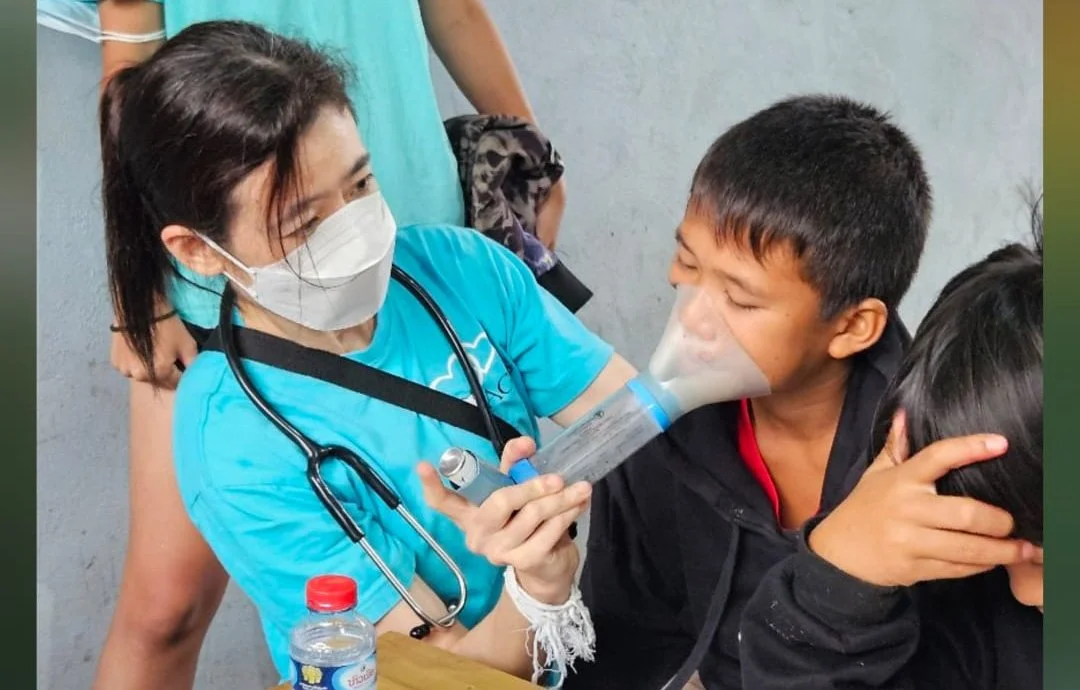
Adolescent Healthcare
Dr. Alison provides personalised adolescent healthcare for teenagers and young people, supporting them through the physical, emotional and developmental changes of adolescence.

Areas of Care include:
Physical Growth and Development
Treating various medical conditions including but not limited to obesity, delayed or early puberty, chronic headaches, recurrent abdominal pain, allergies and challenges with sleep.
Mental Struggles
Empathetic evaluation and treatment for adolescent mood disturbances such as anxiety and depression, behavioural concerns such as deliberate self-harm and risk-taking behaviours such as substance use.
Confidential Care
Providing a safe space to address conditions such as menstrual disorders, pregnancy and gender identity concerns.
Health & Lifestyle
Personalized weight management pathways, specialised nutritional plans and exercise prescription.
Eating Disorders
Comprehensive evaluation, medical stabilisation and rapid integrated clinical psychologist and dietetic support pathways.
Chronic illness and preventative care
Adolescent vaccinations, protective developmental coaching and facilitation of smooth transitions to adult medical services where necessary.

What Makes Adolescent Healthcare Different?

Changing Physical and Emotional Needs
One primary difference between paediatric and adolescent care is the differing emphasis on physical versus psychological health. Paediatric care often revolves around growth milestones, immunisations and the prevention and treatment of common childhood illnesses. As children become teenagers, their healthcare needs change. Alongside ongoing physical growth, adolescents experience puberty, increasing independence and new emotional and social challenges. Adolescent healthcare is designed to support these important changes while promoting lifelong health and wellbeing.

Increasing Patient Confidentiality
Another key difference involves the approach to healthcare autonomy and confidentiality. Paediatric care typically involves significant parental involvement and decision-making, reflecting the young age and natural dependence of the child. As children mature into adolescents, there is a gradual shift towards greater healthcare autonomy, often reflected in confidential medical consultations between the adolescent and the healthcare provider. This transition is crucial for fostering a sense of responsibility and encouraging open communication about sensitive health issues, such as substance use or sexual activity, without fear of judgement or repercussions from parents.

Respectful Communication & Growing Independence
Clinic visits often involve a mix of private, confidential time with the adolescent and discussion with parents. Adolescents benefit from healthcare professionals who communicate with respect, listen without judgement and encourage them to take an active role in their own health. This helps in building trust and promoting a positive health experience for adolescents navigating their complex transitional stages. By acknowledging and adapting to these differences, healthcare providers, parents and caregivers can better support youth through their unique health journeys, ultimately promoting healthier transitions into adulthood.
Looking for care for a baby or younger child?
Learn more about our Paediatric Healthcare services.
Frequently Asked Questions
-
Dr. Alison provides medical care for children from birth through adolescence, including newborns, infants, school-aged children and teenagers up to approximately 18 years of age.
-
General paediatric care includes routine newborn assessments, growth and developmental monitoring, childhood immunisations, treatment of common childhood illnesses, allergy management, nutritional guidance, child safety advice, and support during important milestones such as starting school.
-
Adolescent medicine is a specialised area of healthcare that focuses on the unique physical, emotional and social needs of young people aged approximately 10–18 years. It supports teenagers through puberty, mental health concerns, chronic illness management, preventive care and transition to adult medical services if required
-
Depending on their age, maturity, and the reason for the visit, adolescents may spend part of their consultation speaking privately with Dr. Alison. This confidential time encourages open communication while ensuring appropriate parental involvement whenever necessary.
-
Confidentiality is an important part of adolescent healthcare. Dr. Alison provides a safe and respectful environment where teenagers can discuss sensitive health concerns. Confidentiality is maintained within legal and ethical guidelines, with parents involved whenever it is appropriate or necessary for the young person's safety.
-
Dr. Alison can assess and support adolescents experiencing anxiety, depression, stress, self-harm concerns, sleep difficulties, school-related challenges, and other emotional or behavioural issues. When appropriate, referrals to specialist mental health services may also be recommended.
-
Yes. Dr. Alison provides assessment, medical stabilisation, ongoing clinical monitoring and coordinated care for young people experiencing eating disorders, including anorexia nervosa, bulimia nervosa, and binge-eating disorder, as part of a multidisciplinary team including specialist dietitians and psychologists.
-
Yes. Routine childhood immunisations and recommended adolescent vaccinations are provided in accordance with national immunisation guidelines to help protect children and teenagers from preventable diseases.
-
Yes. Ongoing care is available for children and adolescents living with chronic medical conditions. This includes regular monitoring, treatment planning, family education, and support when transitioning to adult healthcare services.
-
Appointments can be booked by contacting the clinic directly by phone at 6255 5239 or via email at icacmah@singnet.com.sg. If you are unsure whether your child should be seen, the clinic team will be happy to assist you.