
Understanding ADHD, Autism and Learning Differences in Children
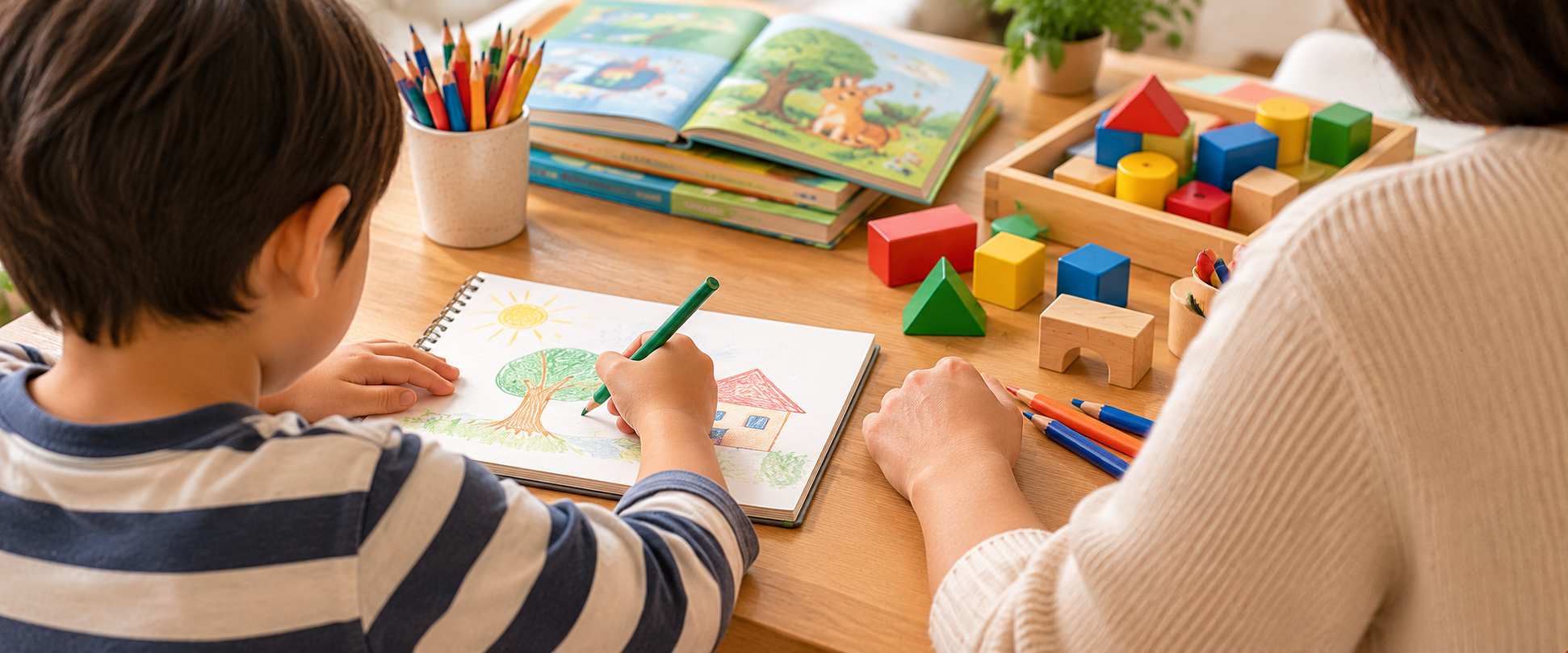
Children grow, develop and learn at different rates, and each has their own strengths, interests and challenges. When difficulties with attention, communication, behaviour or learning persist and begin to affect everyday life, parents may wonder whether their child needs extra support. Recognising developmental differences early and providing the right support can help children build confidence, develop essential skills and reach their full potential.
Attention-deficit/hyperactivity disorder (ADHD), autism spectrum disorder (ASD) and specific learning disorders are neurodevelopmental conditions that can influence how children learn, interact with others and experience the world. Understanding these differences is an important first step towards helping children thrive.
Understanding ADHD
Children with ADHD may experience persistent difficulties with attention, hyperactivity or impulsivity. Parents may notice that their child is easily distracted, frequently loses belongings, struggles to follow instructions, finds it difficult to sit still or often interrupts others.
However, young children naturally have short attention spans and high energy levels. ADHD is more than being active or sometimes inattentive. The difficulties must be persistent, greater than expected for the child's age, and significant enough to affect daily life. They may also occur in more than one setting, such as at home and school.
With appropriate assessment and support, children with ADHD can develop strategies to manage attention, organise tasks and regulate their behaviour. Treatment may include behavioural strategies, family support, educational adjustments, and for some children, medication. Medication decisions should always be made with a qualified healthcare professional, with appropriate monitoring for benefits and side effects.
Understanding Autism Spectrum Disorder
Autism is a neurodevelopmental condition that affects social communication, interaction and patterns of behaviour or interests. Some children may respond inconsistently to their names, find back-and-forth conversations or shared play challenging, or use gestures differently. Others may prefer predictable routines, have highly focused interests, repeat certain movements or experience heightened or reduced sensitivity to sounds, textures, lights and other sensory experiences.
Autism presents differently in every child. Some autistic children strongly desire friendships but find social communication difficult. Intellectual abilities and support needs also vary widely. Importantly, scientific evidence does not support vaccines as a cause of autism. Recognising autism is not about judging a child's behaviour, but understanding how they experience and interact with the world.
Predictable routines, clear communication, emotional coaching and appropriate sensory accommodations can help children feel more secure. Depending on their individual needs, support may include speech and language therapy, occupational therapy, developmental interventions and assistance with social communication.
Recognising learning disorders
Some children experience persistent difficulties with specific academic skills even with appropriate learning opportunities and support. These difficulties may be associated with a specific learning disorder.
Common examples include:
Dyslexia: difficulties with reading accuracy, fluency or spelling.
Dyscalculia: difficulties understanding numbers, learning mathematical facts or performing calculations.
Dysgraphia: difficulties with handwriting, spelling or written expression.
Children with learning disorders can have average or above-average intelligence. Their difficulties do not mean they are lazy or incapable of learning. They may benefit from different teaching approaches, targeted instruction and extra time or accommodations to demonstrate what they know.
Parents may notice that their child struggles to remember letters or number concepts, recognise rhymes, follow multi-step instructions or retain newly learned information. These difficulties do not automatically mean that a child has a learning disorder, but persistent concerns deserve attention.
How are these conditions assessed?
There is no single blood test or brain scan that can diagnose ADHD, autism or a specific learning disorder. Assessment involves building a comprehensive picture of the child's development, abilities and everyday experiences. Depending on the concerns, this may include a detailed developmental history, discussions with parents and teachers, observation of the child, developmental or psychological assessments, speech and language evaluations, educational testing, and hearing or vision checks where appropriate.
Parents play an essential role because they often notice developmental differences before anyone else. Teachers and caregivers can also provide valuable information about how a child manages in different environments. The purpose of an assessment is not simply to give a child a label. It is to understand their strengths, difficulties and support needs so that appropriate help can be provided.
Why early support matters
Early identification can help children access support before difficulties become more challenging. Depending on the child's needs, this may include behavioural and developmental interventions, speech and language therapy, occupational therapy, targeted educational support, social communication strategies, parent training and classroom accommodations. For some children with ADHD, medication may be part of their treatment plan. The decision depends on the child's age, symptoms, level of impairment and individual circumstances.
Support for the family is also important. Caring for a child with additional needs can be demanding, and parents and siblings may benefit from information, practical strategies and emotional support.
Neurodevelopmental differences continue through adolescence and adulthood, but skills and coping strategies can develop over time. Emotional regulation, flexibility and independence are learned skills, and some children may need more time and tailored support to develop them.
What can parents do at home?
Simple, consistent strategies can make everyday life easier:
Establish predictable routines. Knowing what to expect can reduce anxiety and help children prepare for transitions.
Give clear, manageable instructions. Break complex tasks into smaller steps and allow time for your child to process information.
Recognise strengths and interests. Celebrate effort, progress and achievements rather than focusing only on difficulties.
Encourage movement, play and healthy habits. Adequate sleep, balanced nutrition and regular physical activity support overall well-being.
Work with the school and healthcare team. Sharing observations and agreeing on consistent strategies can help children feel supported across different settings.
Look after yourself, too. Seeking support for caregivers and siblings is an important part of caring for the whole family.
Children with ADHD, autism or learning disorders may have many strengths, including creativity, curiosity, persistence, attention to detail, visual thinking and enthusiasm for particular interests. These strengths may not always show in academic performance. A helpful question for parents to ask is: What does my child do well, and how can we build on it?
When should parents seek help?
Consider speaking to your child's healthcare provider or a developmental professional when difficulties are persistent, greater than expected for the child's age, present across different settings, or interfere with learning and daily activities. Significant distress for the child or family is also a reason to seek advice.
Seek medical advice promptly if your child loses skills they had previously developed, such as speaking, interacting with others or moving about. You do not need to know what might be causing your concerns before seeking help. Simply tell your doctor, “I’m concerned about my child’s development” to start the conversation.
Every child deserves the opportunity to thrive
ADHD, autism and learning disorders are neurodevelopmental conditions, not failures of parenting. They do not define a child's intelligence, character or future potential.
Every child deserves to be understood as an individual, with their own abilities, challenges and aspirations. With early recognition, appropriate support and strong partnerships between families, schools and healthcare professionals, children can develop the skills and confidence they need to participate meaningfully in everyday life.
The goal is not to make every child develop in the same way. It is to understand what each child needs to learn, grow and thrive. Caring for children with neurodevelopmental conditions can be challenging, and caregivers need help too. Find out more about the support services available at CaringSG.