
Vaping Among Teenagers in Singapore: Medical, Psychological and Public Health Perspectives
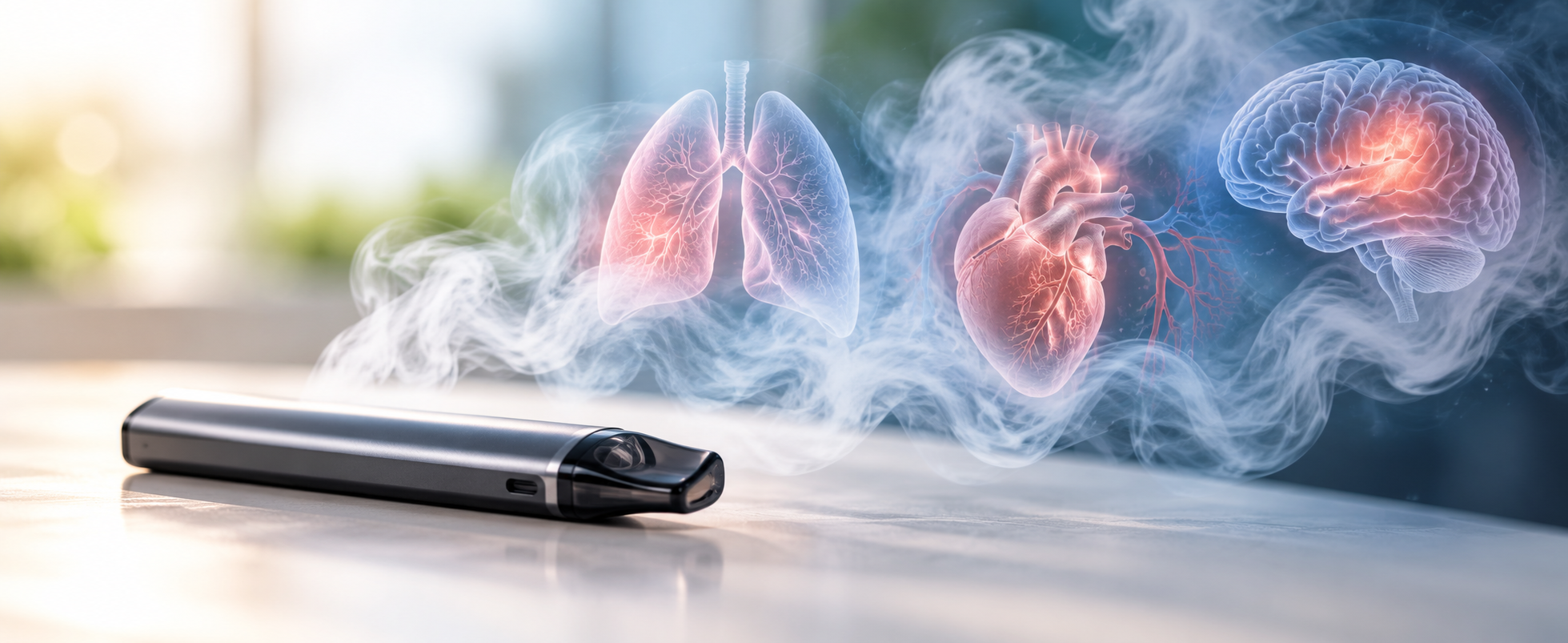
The use of electronic cigarettes (e-cigarettes) or electronic vaporisers (vapes) has emerged as a major global public health concern, particularly among adolescents. Although vaping products were initially marketed as smoking cessation aids for adults, their popularity among teenagers has increased because of attractive flavours, discreet designs, social media marketing, and the misconception that they are safer than conventional cigarettes.
In Singapore, all forms of e-vaporisers are illegal to import, distribute, possess, purchase or use. Despite these regulations, vaping among youths continues to pose significant medical, psychological and societal challenges.
Vaping Among Young People in Singapore
Singapore maintains one of the world's strictest regulatory frameworks on vaping. Under the Tobacco (Control of Advertisements and Sale) Act and related legislation, e-vaporisers are prohibited regardless of whether they contain nicotine. Nevertheless, enforcement agencies continue to report increasing numbers of youths found in possession of vaping devices.
A nationwide youth survey jointly conducted by the Ministry of Health (MOH), Health Promotion Board (HPB), and National Youth Council (NYC) in 2023–2024 found that:
69% of youths knew vaping is illegal in Singapore.
68% recognised that vaping is harmful.
26% incorrectly believed vaping is less harmful than cigarette smoking.
26% believed vaping could help smokers quit.
The three most commonly cited reasons for vaping were attractive flavours, peer influence, and stress relief.
These findings demonstrate that awareness alone is insufficient to prevent vaping uptake and highlight persistent misconceptions among adolescents.
Types of Vaping Devices
Vaping devices come in different forms, including disposable vapes, pod systems, vape pens and refillable devices. Some are deliberately designed to resemble everyday objects such as USB drives, pens or cosmetics, making them discreet and easier for teenagers to conceal.
What is in Vape Aerosol?
Vape aerosol can contain nicotine, fine particles, flavouring chemicals, volatile organic compounds, heavy metals and other potentially harmful substances. Some illicit vaping products containing THC (tetrahydrocannabinol), the main psychoactive substance in cannabis, may also contain vitamin E acetate, which has been linked to EVALI (e-cigarette or vaping-associated lung injury). The concentrations of these chemicals vary substantially between products, particularly in unregulated or counterfeit devices.
Why is Nicotine Addiction Particularly Concerning for Adolescents?
Nicotine acts on receptors in the brain involved in the reward and reinforcement pathways that contribute to addiction. The adolescent brain is still developing, particularly areas involved in decision-making, impulse control and emotional regulation. Exposure to nicotine during this period may affect brain development and increase vulnerability to nicotine dependence.
Research has associated adolescent nicotine exposure with:
impaired attention
problems with memory and learning
greater impulsivity
increased sensitivity to rewards
greater vulnerability to future substance misuse
Much of the evidence on the long-term effects of nicotine exposure during adolescence comes from a combination of experimental and observational studies. The precise long-term effects in humans continue to be studied.
Physical Health Consequences
Respiratory Effects
The respiratory system is one of the main organs affected by vaping. Inhalation of vape aerosol can cause airway irritation, inflammation and oxidative stress, contributing to:
chronic cough
wheezing
reduced exercise tolerance
worsening of asthma symptoms
bronchial irritation
pneumothorax (collapsed lung)
EVALI (e-cigarette or vaping-associated lung injury)
EVALI has been most strongly linked to illicit vaping products containing THC (tetrahydrocannabinol), particularly those containing vitamin E acetate. However, vaping with nicotine-containing products can also irritate the lungs and has been associated with respiratory symptoms and changes in lung function.
Cardiovascular Effects
Nicotine activates the body’s ‘fight-or-flight’ response and can cause:
increased heart rate
elevated blood pressure
changes in blood vessel function
increased oxidative stress
vascular inflammation
Research suggests that vaping can affect cardiovascular function, although the full long-term cardiovascular risks remain under investigation.
Psychological and Mental Health Effects
The relationship between vaping and mental health appears to be complex and potentially bidirectional.
Adolescents experiencing depression, anxiety, ADHD symptoms or conduct problems may be more likely to start vaping. Studies have also found associations between vaping and depressive symptoms, suicidal thoughts, emotional dysregulation and other mental health difficulties.
A 2026 systematic review synthesising 25 studies reported associations between adolescent vaping and:
depression
anxiety
ADHD symptoms
conduct problems
suicidality
risky behaviours
cannabis and other substance use
However, these findings show associations rather than proving that vaping directly causes these conditions. Young people who vape may also have other factors such as stress, peer influences, family circumstances or pre-existing mental health difficulties that contribute to both vaping and psychological symptoms.
Similarly, an umbrella review involving more than 840,000 adolescents found significant associations between vaping and depression, anxiety, suicidality and impulsive behaviours.
Why Do Teenagers Vape?
There is rarely a single reason why a teenager starts vaping. Psychological, social and environmental factors often interact.
Peer influence
Social acceptance and peer behaviour can strongly influence experimentation. Teenagers may be more likely to try vaping when friends or people in their social environment vape.
Attractive flavours
Fruit, dessert and candy flavours can make vaping products more appealing and may reduce perceptions of risk.
Curiosity and novelty seeking
Adolescence is a period of increased curiosity and novelty seeking, which can contribute to experimentation with substances and risky behaviours.
Stress and emotional regulation
Some teenagers report vaping to relieve stress, anxiety or other uncomfortable emotions. However, nicotine dependence can create a cycle in which withdrawal symptoms lead to cravings and further vaping, making it difficult to stop.
Misperceptions about safety
Some adolescents believe that vaping is safer than smoking. Although vaping may expose users to fewer toxic chemicals than combustible cigarettes in some circumstances, this does not mean that vaping is safe, particularly for adolescents who do not otherwise smoke.
Social media and online exposure
Social media and online content can portray vaping as fashionable, normal or socially desirable, potentially increasing its appeal to young people.
A biopsychosocial framework proposed by Singapore's Ministry of Home Affairs also identifies family environment, peer norms, emotional regulation, accessibility and individual characteristics as interacting factors in youth vaping.
Prevention and Quitting Vaping in Singapore
Because nicotine dependence can develop during adolescence, early support is important.
Teenagers who vape or are struggling to stop can seek help through:
Health Promotion Board (HPB) QuitLine: 1800 438 2000 – provides telephone counselling and support for young people who want to quit vaping or smoking. School-going teenagers can be referred to the I Quit-Youth Programme for individualised support.
School counsellors and Student Health Advisors can provide support and referrals where appropriate.
Polyclinics and family doctors can assess nicotine dependence, provide medical advice and refer teenagers for further support when needed.
National Addictions Management Service (NAMS) provides specialist assessment and treatment for addiction-related concerns.
Child and adolescent mental health services may be appropriate when vaping occurs alongside significant anxiety, depression or other mental health concerns.
Support should be tailored to the individual teenager. Evidence-based approaches may include behavioural counselling, motivational interviewing, cognitive behavioural therapy (CBT), family support and treatment of co-existing conditions such as anxiety, depression or ADHD where appropriate.
Nicotine replacement therapy or other pharmacological treatments should only be considered for adolescents under appropriate medical supervision and after individual assessment.
What Parents Can Do
Parents can play an important role by keeping communication open, avoiding judgment and trying to understand why their teenager is vaping. Rather than focusing only on punishment, talking openly about nicotine dependence, stress, peer pressure and the difficulty of quitting can help teenagers feel more comfortable seeking support.
If you are concerned about your teenager's vaping, speaking to a family doctor, polyclinic healthcare professional or school counsellor is a good starting point.
Conclusion
Vaping among adolescents is an important medical, psychological and public health concern. It exposes young people to nicotine and other potentially harmful substances that may affect respiratory health, cardiovascular function and the developing brain. While vaping has also been associated with mental health and behavioural concerns, causal relationships remain under investigation. Prevention, education, family support and accessible cessation services are important in helping teenagers avoid or quit vaping.
Selected References
1.Leslie FM. Unique, long-term effects of nicotine on the adolescent brain. Pharmacology Biochemistry and Behavior. 2020;197:173010.
2. Leung CC, See S. Youth Vaping: Risks, Protective Factors and Possible Interventions. Home Team Psychology Division, Ministry of Home Affairs, Singapore. 2024.
3. Alzueta E, et al. Vaping and Mental Health Conditions in Children: An Umbrella Review. 2023.
4. Ministry of Health Singapore. FAQs on E-cigarettes, Vaporisers and Heat-Not-Burn Tobacco Products.
5. Health Promotion Board Singapore. Youths aware that vaping is harmful and illegal; more want to encourage peers not to vape. 2024.
6. Health Promotion Board Singapore. Why Vaping Is Harmful.
7. Ministry of Education Singapore. https://www.moe.gov.sg/news/edtalks/safeguarding-our-students-against-vaping
8. https://www.gov.sg/stopvaping/
9. https://www.hsa.gov.sg/tobacco-regulation/vaping-enforcement/